Triboelectric energy generators for self-powered medical implants
Towards the first generation of energy autonomous neural interfaces for vagus nerve stimulation (VNS)
THE PROBLEM
THE PROBLEM
THE PROBLEM
As of 2020, there were about 125,000 VNS devices implanted worldwide.
The demand for VNS is witnessing a surge primarily due to the rising prevalence of neurological diseases such as epilepsy migraine, depression, and others.
Estimated first battery replacement rates were 16%, 42% and 47% after 5, 10 and 15 years, respectively. Epilepsy Research 2024, 203 (107383).
Triboelectric generators offer a promising avenue for sustainable energy harvesting and advanced sensing technologies. TENGs are particularly attractive for powering small electronic devices, especially in applications where battery replacement is inconvenient or impractical.
THE PROBLEM
As of 2020, there were about 125,000 VNS devices implanted worldwide.
The demand for VNS is witnessing a surge primarily due to the rising prevalence of neurological diseases such as epilepsy migraine, depression, and others.
THE PROBLEM
Estimated first battery replacement rates were 16%, 42% and 47% after 5, 10 and 15 years, respectively. Epilepsy Research 2024, 203 (107383).
Triboelectric generators offer a promising avenue for sustainable energy harvesting and advanced sensing technologies. TENGs are particularly attractive for powering small electronic devices, especially in applications where battery replacement is inconvenient or impractical.
THE TECHNOLOGY SOLUTION
TRIBOELECTRIC NANOGENERATORS (TENGs)
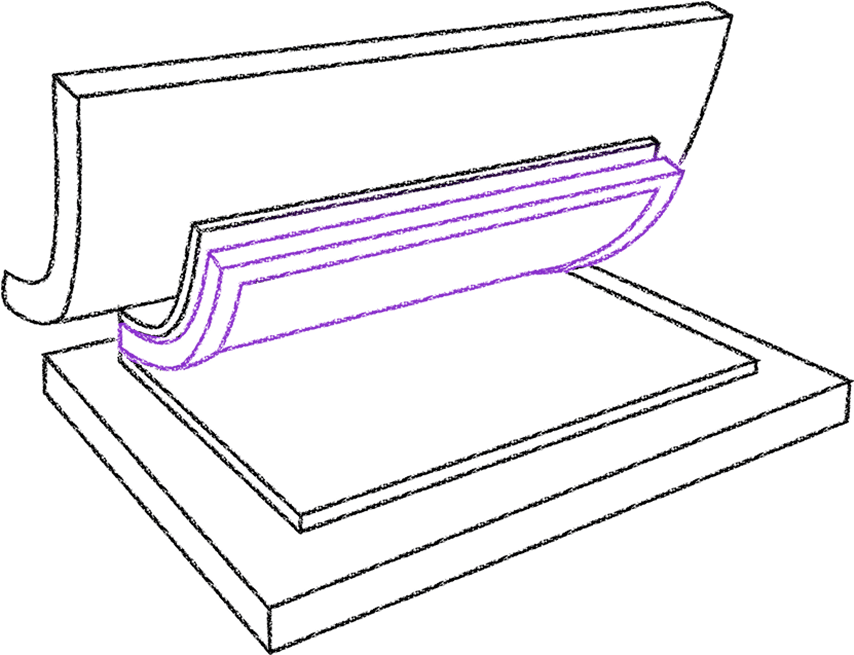
TENGs devices are able to convert mechanical perturbation into electrical energy. TENG mechanism consists of repetitive touch and release cycles of two materials, resulting in energy conversion, thanks to the combined effect of contact electrification and electrostatic induction.
Outstanding properties of nanoporous graphene have enabled our thin-film microelectronic technology, overcoming the limitations of existing materials used for neural interfacing and allowing for a new generation miniaturized VNS implants, with lower power requirements and increased treatment efficiency.
We store cookies on your device to enhance site navigation and analyze site usages.
Funcional
Always active
Necessary Cookies are crucial for the basic functions of the website, and the website will not function as intended without them. These Cookies do not store any personally identifiable information.
Preferencias
El almacenamiento o acceso técnico es necesario para la finalidad legítima de almacenar preferencias no solicitadas por el abonado o usuario.
Statistics
El almacenamiento o acceso técnico que es utilizado exclusivamente con fines estadísticos.The technical storage or access that is used exclusively for anonymous statistical purposes. Without a subpoena, voluntary compliance on the part of your Internet Service Provider, or additional records from a third party, information stored or retrieved for this purpose alone cannot usually be used to identify you.
Marketing
El almacenamiento o acceso técnico es necesario para crear perfiles de usuario para enviar publicidad, o para rastrear al usuario en una web o en varias web con fines de marketing similares.